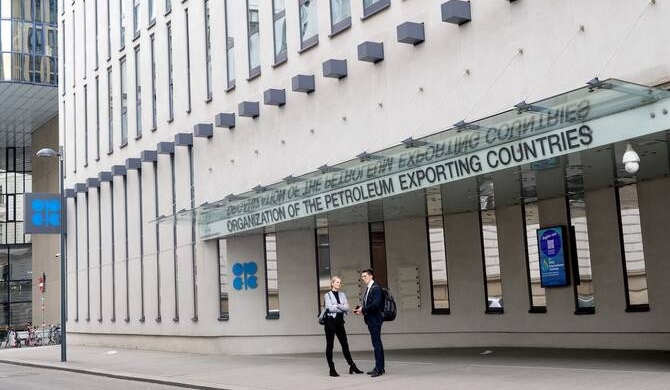

UAE Leaves OPEC: Oil Cartel Loses One of Its Key Players
The United Arab Emirates has announced that it will leave OPEC and the broader OPEC+ format, which also includes partner countries led by Russia, as of May 1. The decision is a serious blow to the organization, which for decades has tried to coordinate oil production and influence global prices.
Abu Dhabi officially explains the move as part of its “long-term strategic and economic vision” and the changing energy profile of the country. In practice, however, it is about the UAE’s desire to have more freedom in managing its own oil production. In recent years, the country has invested heavily in expanding its oil capacity and, according to analysts, was dissatisfied with OPEC’s restrictive quotas.
The UAE is one of the largest oil producers in the Persian Gulf. Before announcing its withdrawal, the country was producing about 3.4 million barrels per day, while its potential capacity is estimated at around 4.8–5 million barrels per day. The loss of such a member weakens OPEC’s ability to quickly increase or reduce supply on the market.
The decision also has a political dimension. Relations between the UAE and Saudi Arabia — the de facto leader of OPEC — have become increasingly competitive in recent years, with the two countries more often diverging on regional politics and economic influence.
Analysts do not expect an immediate market collapse. Oil prices are already high because of the war around Iran and shipping disruptions through the Strait of Hormuz, through which a significant share of global oil supplies passes. Brent crude traded above $110 per barrel on Tuesday.
For consumers in Canada, this means one thing: instability in the global oil market may once again affect the price of gasoline, heating and transportation. Even distant decisions in the Persian Gulf quickly become part of our everyday economy.