
Tariff Blow to Canada’s Auto Industry
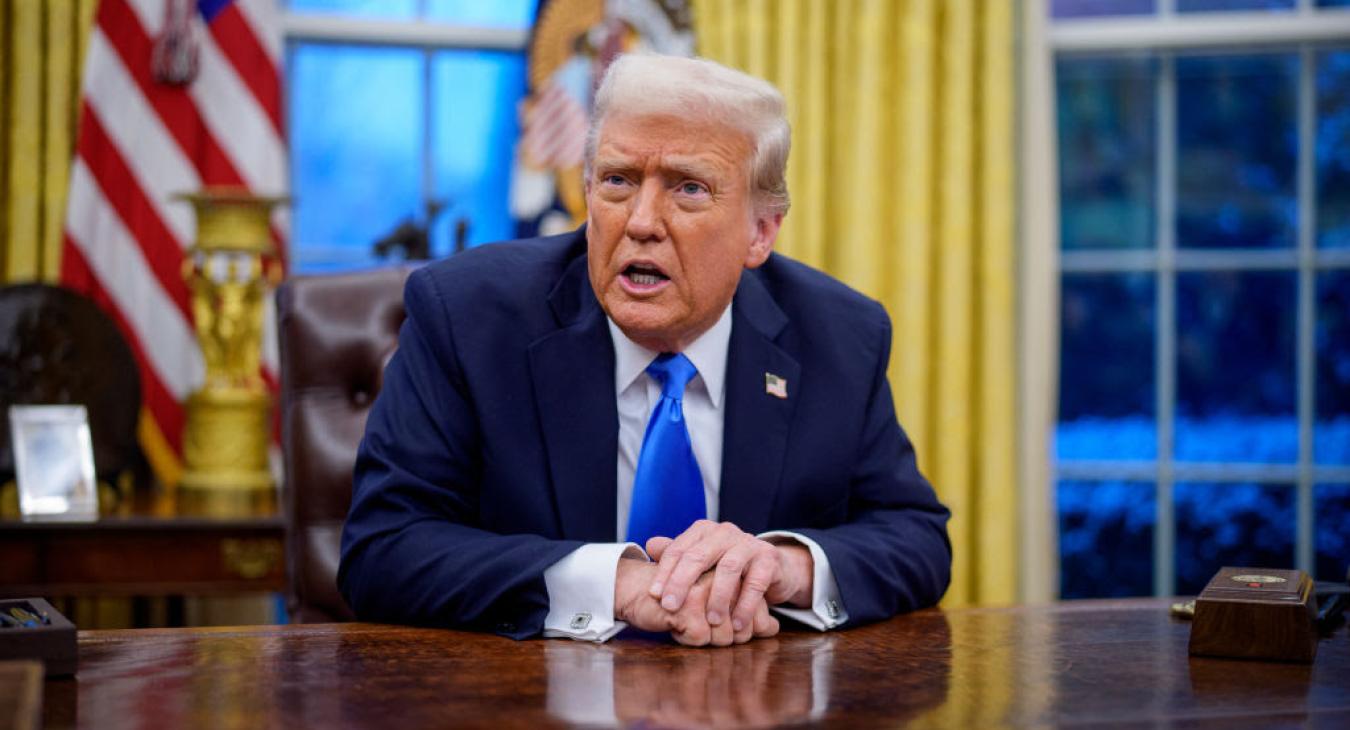
U.S. President Donald Trump has announced that tariffs on Canadian-made cars, trucks and auto parts will increase from 25 to 50 percent on January 1, 2027. His statement also mentioned Canadian steel, which is already subject to a 50-percent U.S. tariff.
The announcement followed the collapse of trade negotiations between Ottawa and Washington on August 21. The next day, the United States imposed 50-percent tariffs on approximately US$20 billion worth of Canadian imports. The measures cover dairy products, alcoholic beverages, honey, hockey sticks and other goods representing about five percent of Canada’s exports to the United States.
Canada plans to respond with matching counter-tariffs on American products beginning September 8. The complete list of affected goods has not yet been released.
Prime Minister Mark Carney said Washington’s proposed agreement “asked too much and offered too little.” The disputed conditions included the exclusion of medium- and heavy-duty trucks from tariff relief, proposed restrictions on Canada’s French-language content and labelling requirements, and provisions that could limit Canada’s ability to negotiate trade agreements with other countries.
Carney warned that the higher tariffs would affect not only Canadian businesses but also auto workers and manufacturers in states such as Michigan and Ohio. The two countries’ automotive supply chains are deeply integrated, with some components crossing the border several times before a vehicle is completed.
The failure to agree on the renewal of CUSMA has created further uncertainty. The North American trade agreement remains in effect but will now undergo annual reviews.